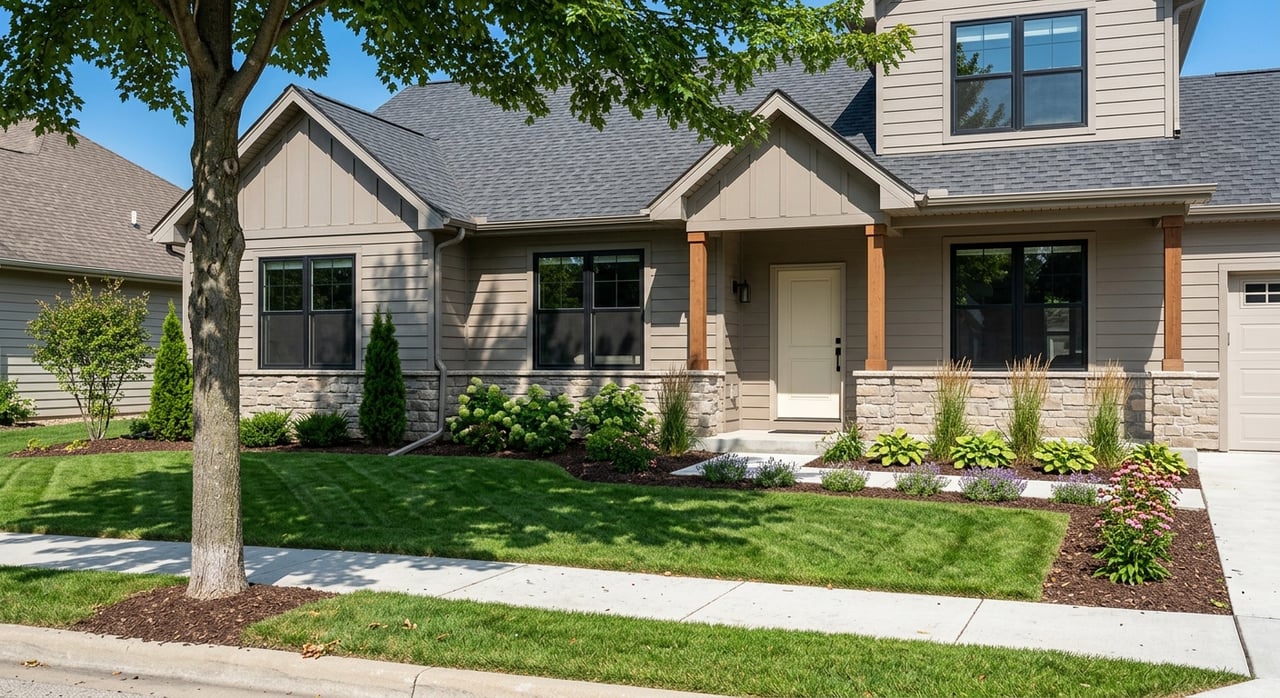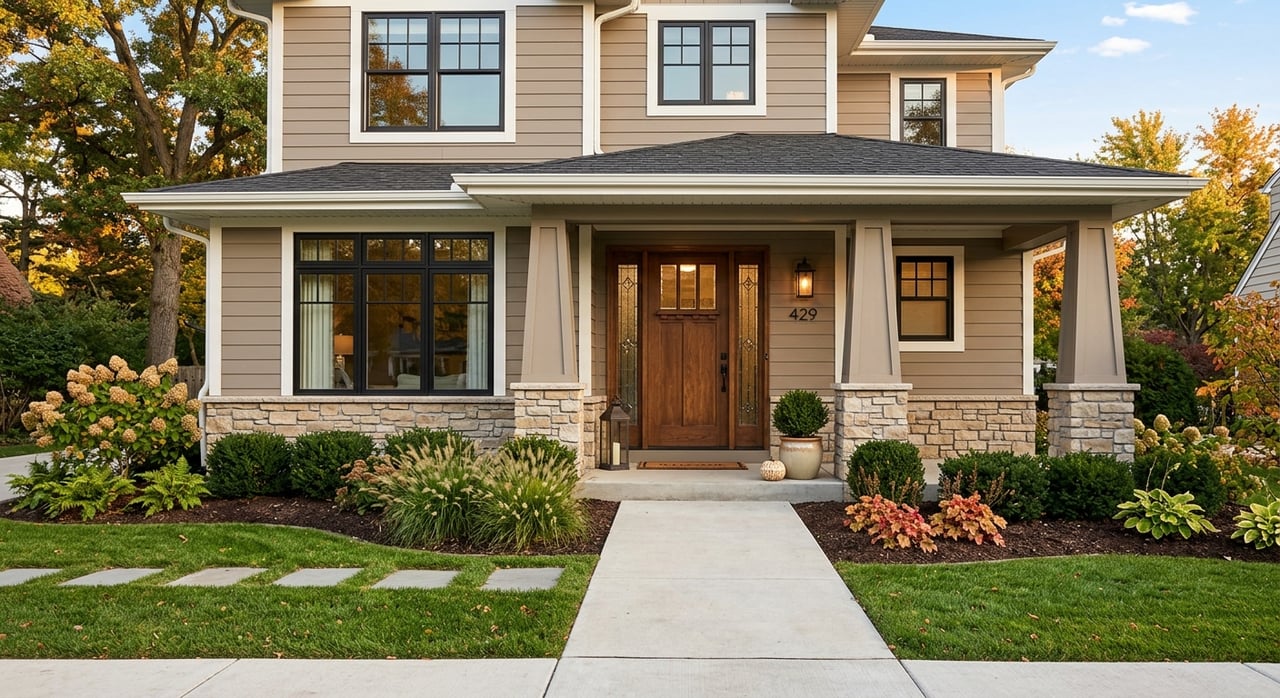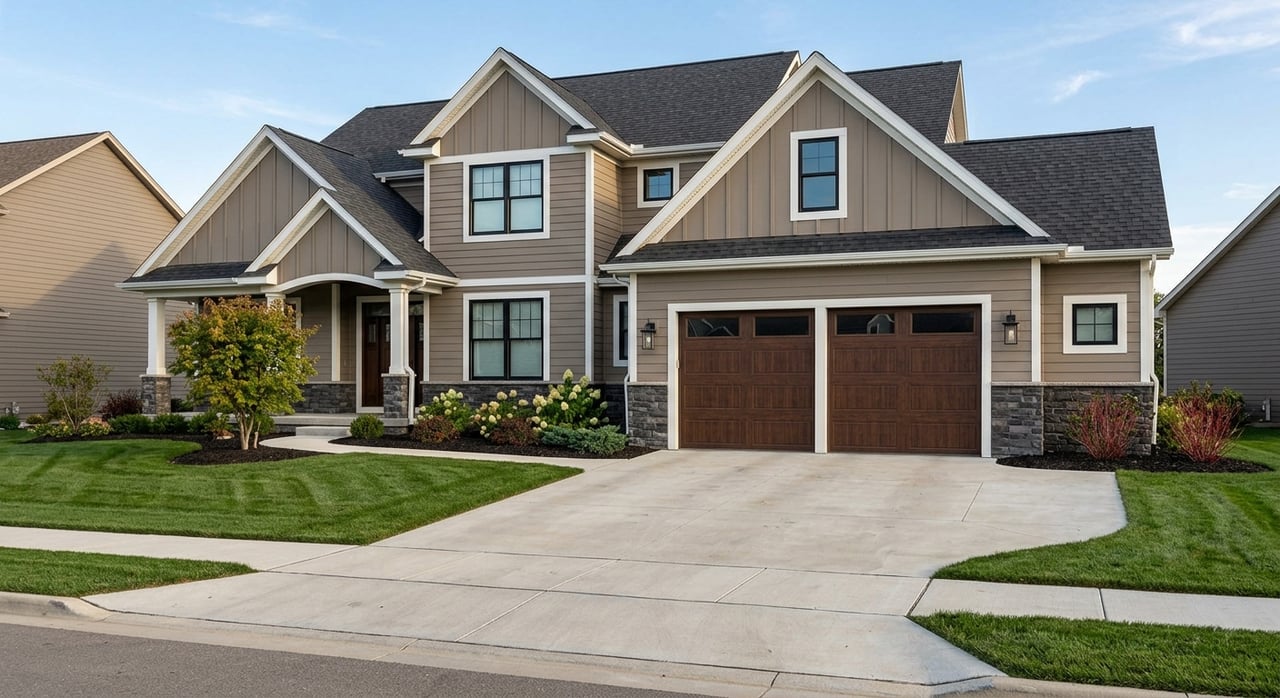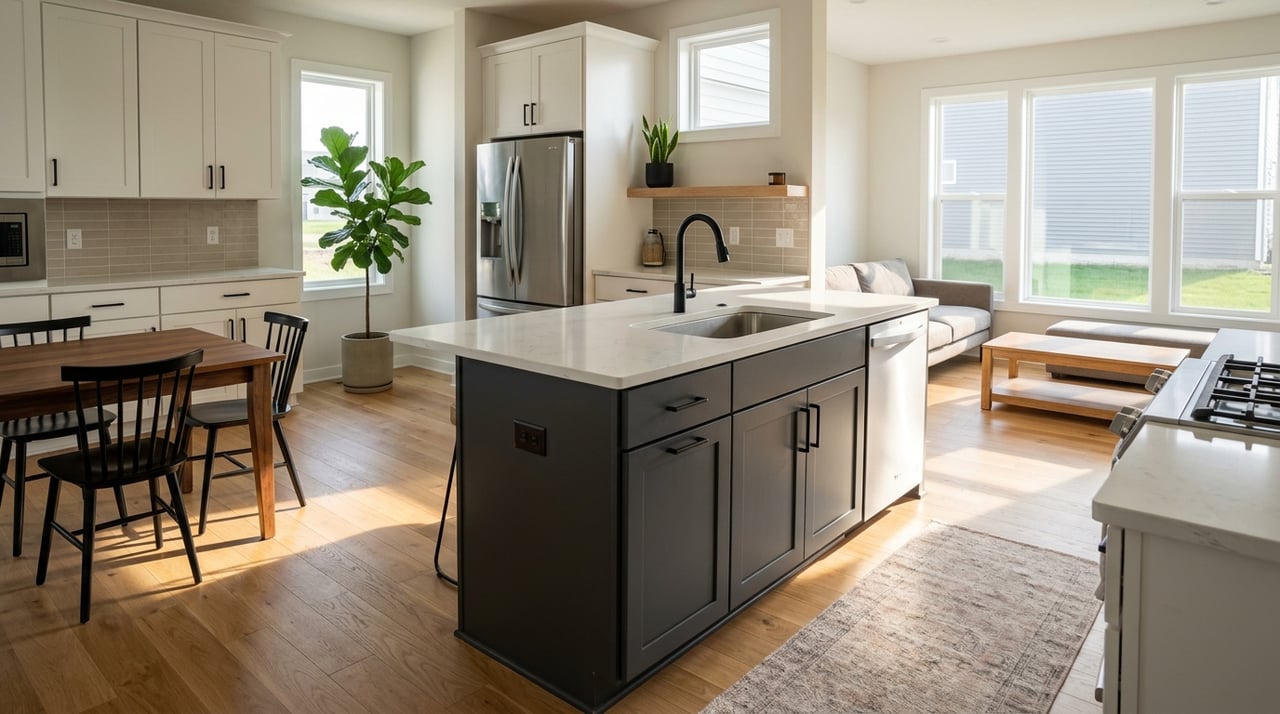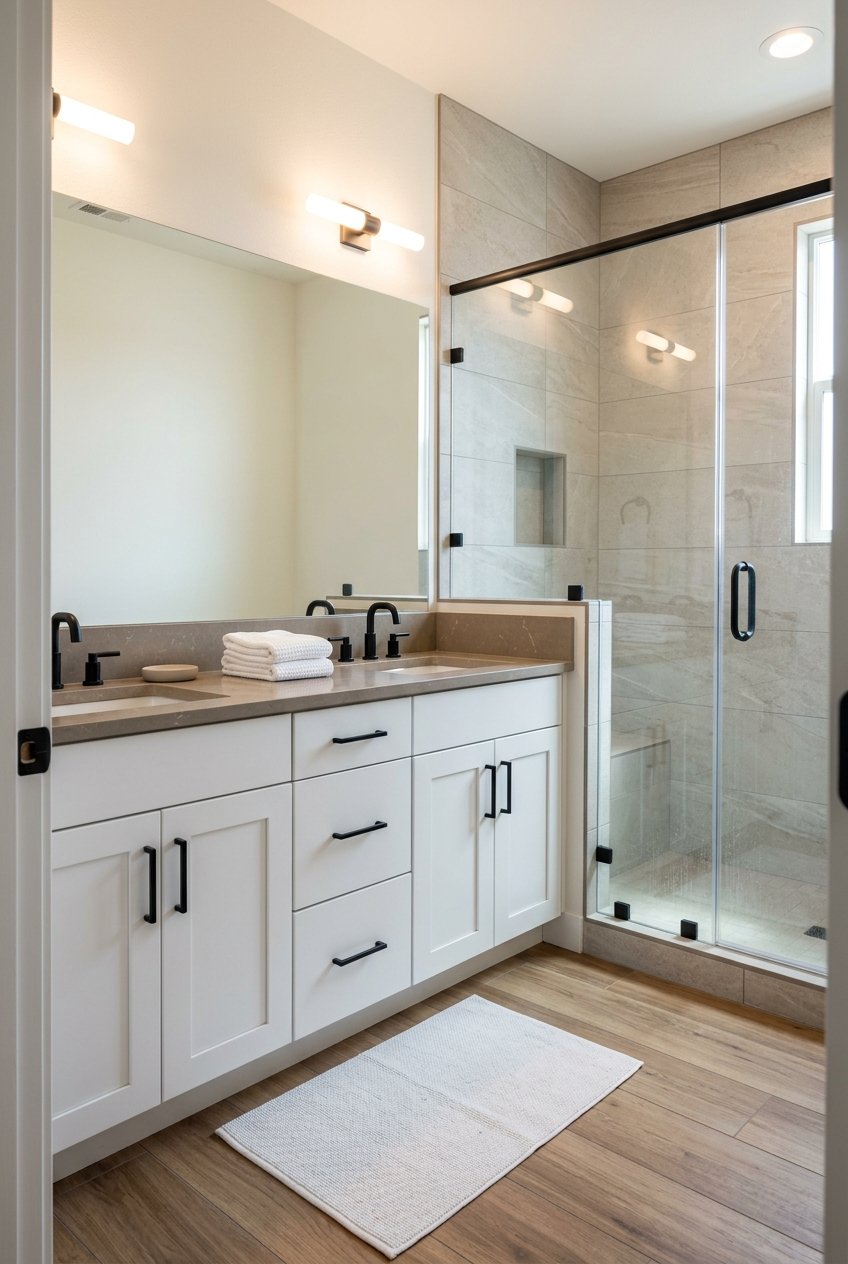
Buying new construction in Horace can feel like the best of both worlds: a fresh home, modern finishes, and the chance to live in one of the Fargo area’s growing communities. But a new home build also comes with moving parts that are easy to miss if you focus only on the base price and floor plan. If you’re thinking about building or buying new in Horace, this guide will help you understand what to look for, what to ask, and how to make a more confident decision. Let’s dive in.
Why Horace New Construction Stands Out
Horace’s long-term planning points toward continued residential growth, with a mix of suburban-style neighborhoods and more compact development. That means you may see everything from detached single-family homes on larger homesites to townhomes, twins, duplexes, and triplex-style options in some areas.
The city’s planning documents also show that newer subdivisions are expected to include features like sidewalks, parkland, and trail corridors that connect to public spaces and nearby properties. For you as a buyer, that means neighborhood design may be about more than the house itself. It can also affect how the area functions day to day.
Lot Sizes Can Vary More Than You Think
One of the biggest mistakes buyers make is assuming every new construction neighborhood in Horace offers the same type of lot. In reality, lot size can vary quite a bit from one community to another, and that can shape both your budget and your daily experience.
Current builder listings in Horace show homesites ranging from about 9,504 square feet up to 32,885 square feet. Many fall in the low-to-mid teen thousands, which means some Horace lots are larger than the 2024 national median lot size for a completed new single-family home, which the Census Bureau reports at 8,545 square feet.
What lot size affects
A larger lot can change more than backyard space. It may also affect:
- Home placement on the lot
- Distance from neighboring homes
- Yard maintenance needs
- Special assessment totals
- Total purchase price
A more compact lot may still be a great fit if you want lower exterior upkeep or prefer a neighborhood with a denser layout. The key is not assuming “new construction in Horace” means one standard setup.
Understand the Neighborhood Style
Horace’s comprehensive plan makes it clear that future residential growth is not one-size-fits-all. Some areas are intended for suburban development at roughly 1 to 3 units per acre, while compact development may include detached homes on smaller lots, twins, duplexes, triplexes, and townhomes at around 3 to 5 units per acre.
That matters because the feel of one new neighborhood may be very different from another, even if both are in Horace. Before you move forward, take time to understand how the homesite, street layout, trails, sidewalks, and nearby housing types fit your goals.
Build Timeline: Quick Close or Full Build?
Not every new construction purchase follows the same timeline. In Horace, you may find homes that are already move-in ready, homes that are nearly finished, or homes that haven’t started the full construction process yet.
That’s a big deal for planning your move, your financing, and possibly the sale of your current home. Nationally, the average completion time for a single-family home was 10.1 months in 2023, based on Census data summarized by the National Association of Home Builders. While some Horace homes may move faster, especially if they are already underway, a custom or early-stage build can still take many months.
Questions to ask about timeline
Before you commit, ask for the target completion window in writing. You should also ask:
- Is the home move-in ready, under construction, or not yet started?
- What milestones are expected next?
- What could delay completion?
- How are delays communicated?
- What happens if the timeline changes significantly?
Some builders in the area show both quick-close options and a custom build process that starts with an initial consultation and moves through lot selection, contract, design meetings, and final walk-through. That means your experience can vary a lot depending on which path you choose.
Builder Deposits and Earnest Money
When you buy new construction, the upfront money structure may look different than it does with a resale home. Builders may ask for a deposit or earnest money early in the process, especially if the home is not yet complete.
That is why one of the most important questions is simple: When is the deposit refundable, and when is it not? You want that answer clearly spelled out in writing before you sign anything.
Financing a New Construction Home
Financing is another area where buyers should slow down and read carefully. The Consumer Financial Protection Bureau recommends making an offer contingent on financing and a satisfactory inspection when possible.
It also notes that you do not have to use a builder’s affiliated lender. Even if the builder has a preferred financing option, you can still shop around and compare rates, fees, and loan terms.
Financing costs to plan for
New construction buyers sometimes focus so much on upgrades that they forget about closing costs. According to the CFPB, closing costs typically run about 2% to 5% of the purchase price, before your down payment.
You should also expect to receive your Closing Disclosure at least three business days before closing. That gives you time to review the final numbers and ask questions before the transaction is complete.
Inspections Still Matter on New Construction
A home being brand new does not mean you should skip inspections. The CFPB’s guidance says the inspection should happen before you are finally committed to buy.
That matters because even a newly built home can have items that need correction or follow-up. An inspection gives you a clearer picture of the home’s condition and a chance to address concerns before closing or before key contract deadlines pass.
Base Price vs. Real Cost
This is where many buyers get surprised. The real cost of a new construction home in Horace is often more than the advertised base price.
You may also need to account for homesite premiums, upgrade costs, special assessments, closing costs, and possibly HOA dues or optional service fees. If a community advertises features like lawn care, snow maintenance, or amenities, make sure you understand exactly what is included, what is optional, and what the monthly or annual cost will be.
Key costs to confirm in writing
Before moving forward, ask for a full cost breakdown that includes:
- Base home price
- Homesite price or lot premium
- Estimated special assessments
- Upgrade allowances and overages
- Closing costs
- HOA dues, if any
- Optional services and amenity fees
This is one of the smartest ways to compare builders and communities on an apples-to-apples basis.
Special Assessments in Horace
Special assessments are especially important to understand in Horace. According to the city’s audited financial statements, special assessments are levied on benefited properties and collected by the county with property tax installments. They are tied to the related bond term and are generally prepayable without penalty.
In current Horace builder marketing, some communities list homesite prices separately from estimated special assessment costs. Examples shown range from about $15,449 to $35,752. That is a major number to factor into your budget, even if some infrastructure costs have already been completed and included.
If you are comparing two new construction options, ask whether the quoted price includes special assessments, estimates them separately, or leaves them for you to verify. That one question can save you from a costly misunderstanding.
Upgrades Add Up Quickly
Model homes are designed to impress, and they often do. But what you see in a model is not always what is included in the base price.
Ask which finishes, fixtures, appliances, and design features are standard and which are upgrades. Then ask how much flexibility you have to change selections, whether there are deadlines for those choices, and how overages are billed.
Smart upgrade questions
Here are a few practical questions to ask:
- What is included as standard?
- What has an added cost?
- Are there package options?
- When do design decisions need to be finalized?
- How are change orders priced and approved?
These details can make a big difference in your final cost and your overall experience.
Know What Warranty You’re Getting
New homes often come with a builder warranty, but the scope can vary. The Federal Trade Commission says a builder warranty typically covers workmanship and materials for about one year, major systems like HVAC, plumbing, and electrical for about two years, and some structural defects for up to 10 years.
That is different from a home warranty service contract, which is usually a separate paid product. If the builder offers a warranty, ask for the written terms and make sure you understand what is covered, what is excluded, and how claims should be submitted.
Best practices for warranty issues
The FTC recommends putting warranty claims in writing and keeping records of repair requests and conversations. Some local builders also outline post-closing customer care and follow-up warranty support, which can be helpful to understand before you buy.
A Simple Buyer Checklist for Horace New Construction
If you want a practical starting point, focus on these items before signing:
- Verify the exact lot size
- Confirm whether the neighborhood is larger-lot or more compact in style
- Get the estimated completion date in writing
- Ask how delays are handled
- Review deposit and refund terms carefully
- Compare lenders instead of assuming the builder’s lender is your only option
- Schedule an inspection before you are fully committed
- Ask for a full breakdown of base price, upgrades, and closing costs
- Verify estimated special assessments
- Review HOA dues, rules, and included services
- Read the builder warranty terms closely
Final Thoughts
New construction in Horace can be a great option if you want a newer layout, updated features, and the chance to buy into a growing community. The key is knowing that the home’s true value is about more than the brochure, the base price, or the model home finish package.
When you ask the right questions early, you can avoid surprises and make a decision that fits your budget, timing, and long-term plans. If you want a calm, practical second opinion as you compare builders, lots, and contract terms in Horace, connect with Joseph Haj.
FAQs
What should buyers know about lot sizes in Horace new construction?
- Lot sizes can vary widely by community. Current Horace listings show homesites from about 9,504 square feet up to 32,885 square feet, so it is important to verify the exact lot instead of assuming a standard size.
How long does new construction take in Horace?
- It depends on whether you are buying a move-in-ready home, a home already under construction, or a custom build. Nationally, the average completion time for a single-family home was 10.1 months in 2023, but some Horace homes may be available sooner.
Do Horace new construction homes have special assessments?
- Some do. Horace special assessments are levied on benefited properties and collected with property tax installments. In current builder examples, estimated special assessments in some communities range from about $15,449 to $35,752.
Should buyers get an inspection on a brand-new home in Horace?
- Yes. A home being newly built does not remove the need for an inspection. The CFPB recommends having the inspection before you are finally committed to buy.
Can you choose your own lender for new construction in Horace?
- Yes. The CFPB says you do not have to use the builder’s affiliated lender, so you can compare financing options and choose the one that works best for you.
What extra costs should buyers budget for with Horace new construction?
- Beyond the base price, you may need to budget for lot premiums, upgrades, special assessments, closing costs, HOA dues, and optional service fees such as lawn care or snow maintenance, depending on the community.